
Owning a home comes with a long list of responsibilities that often compete with work schedules, family obligations, and everyday life. Many homeowners focus on repairs only after something breaks, but waiting for visible problems usually leads to higher costs, more stress, and bigger disruptions later. A small leak becomes water damage. A neglected exterior surface starts deteriorating. An overloaded electrical system turns into a safety concern during a storm.
Yearly maintenance projects help prevent those situations before they escalate. They also make homes safer, more efficient, and easier to live in over time. Instead of treating maintenance as a reaction to emergencies, homeowners benefit most when they approach it as a routine investment in the property itself.
Some projects are practical and preventive, while others improve comfort and organization. Together, they create a home that functions better year-round and holds its value longer. Whether you recently purchased a house or have lived in the same property for decades, building consistent maintenance habits can dramatically reduce future repair costs and help you avoid avoidable surprises.
Catching Small Exterior Problems Before They Spread
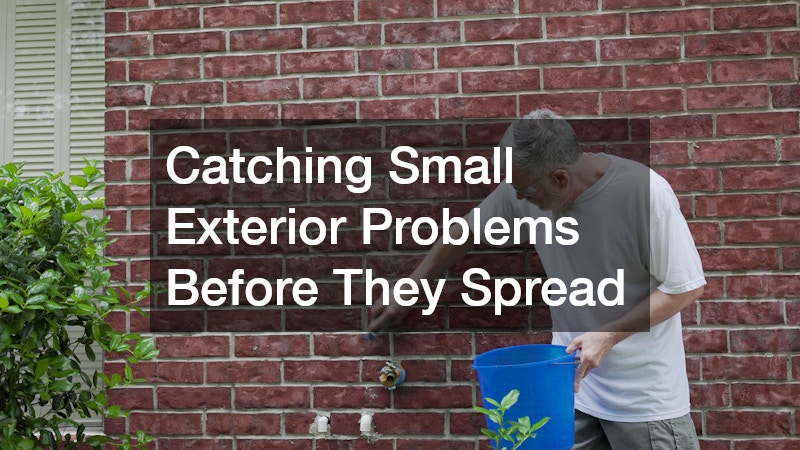
The outside of a home absorbs constant exposure from sun, rain, wind, humidity, and seasonal temperature changes. Because deterioration happens gradually, many homeowners fail to notice problems until significant damage appears indoors.
One of the most important yearly priorities is scheduling a careful inspection of the roof and drainage system. Even homes that appear structurally sound can develop weak spots after storms or years of wear. Loose shingles, lifted flashing, or small punctures can allow moisture to enter long before visible leaks appear inside the home.
Homeowners who invest in professional roofing services often discover issues early enough to avoid costly structural repairs. A yearly inspection may reveal hidden water intrusion around vents, skylights, or chimneys that would otherwise continue worsening unnoticed.
Drainage matters just as much as the roof itself. When gutters become clogged with leaves, twigs, or debris, rainwater stops flowing away from the home efficiently. Overflowing water can damage siding, erode landscaping, and create foundation concerns over time. In colder climates, trapped moisture can even freeze and contribute to ice dams.
A practical yearly inspection should include:
- Checking for loose or damaged shingles
- Looking for signs of sagging or soft roof areas
- Inspecting attic spaces for moisture stains
- Clearing drainage channels and downspouts
- Verifying water flows away from the foundation
Many homeowners underestimate how quickly moisture problems spread. A small stain in the attic may seem harmless initially, but hidden water can weaken wood framing and encourage mold growth over time.
One homeowner may notice nothing more than a slight discoloration near a ceiling corner after a heavy storm. Months later, drywall begins bubbling, insulation becomes saturated, and repairs suddenly involve multiple contractors instead of a simple patch.
The key is consistency. Exterior inspections do not need to become overwhelming weekend projects. A few focused hours every season often prevent the kind of large-scale repair bills that homeowners fear most.
Keeping Surfaces Clean and Protected Throughout the Year
Many maintenance problems start with buildup that homeowners ignore because it develops slowly. Dirt, algae, mildew, and moisture accumulation may seem cosmetic at first, but they often shorten the lifespan of exterior materials.
Roofs are especially vulnerable in humid or shaded environments. Organic growth traps moisture against roofing materials and gradually weakens surfaces. Over time, this can contribute to premature deterioration, discoloration, and structural issues.
Routine roof cleaning helps remove harmful buildup before it causes lasting damage. It also improves drainage performance and allows homeowners to spot minor issues that might otherwise remain hidden beneath debris.
The garage is another commonly overlooked area where long-term wear develops quietly. Concrete floors endure constant traffic, moisture, oil spills, and temperature fluctuations. Small cracks may initially appear harmless, but untreated surfaces gradually become harder to maintain.
Applying a durable garage floor coating can make cleaning easier while protecting concrete from moisture penetration and staining. Homeowners with heavily used garages often notice that protected surfaces stay cleaner and resist wear more effectively over time.
Instead of treating maintenance as one massive yearly project, many homeowners benefit from dividing cleaning responsibilities seasonally:
Spring
- Wash exterior siding
- Remove winter debris
- Inspect concrete for cracks
Summer
- Clean high-moisture areas
- Pressure wash outdoor surfaces
- Inspect shaded roof sections
Fall
- Remove leaves and organic buildup
- Clear drainage pathways
- Prepare surfaces for colder weather
Winter
- Monitor moisture accumulation
- Address salt or chemical exposure
- Check indoor humidity levels
These small efforts create cumulative benefits. Clean surfaces dry faster, resist deterioration longer, and reveal developing problems earlier.
Homeowners are often surprised by how much preventative cleaning reduces future repair costs. Maintaining surfaces consistently is far less expensive than replacing damaged materials prematurely.
Creating More Functional Storage Throughout the Home
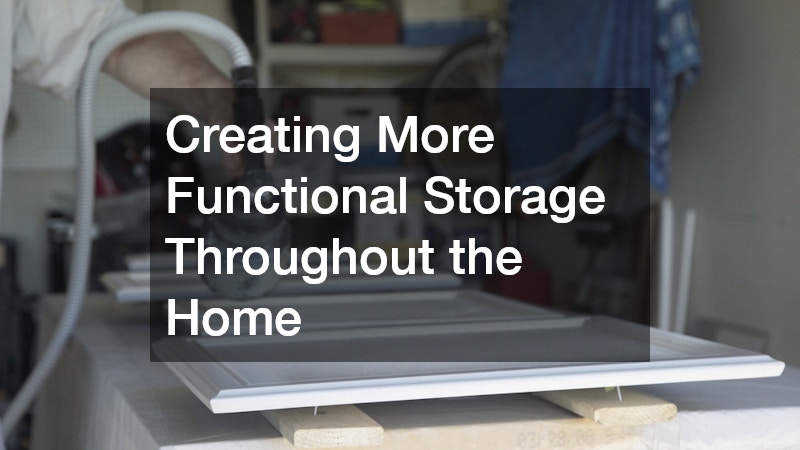
Disorganization creates more household stress than many people realize. When storage is limited or poorly designed, everyday maintenance becomes harder. Seasonal items pile up in garages, tools become difficult to locate, and clutter gradually takes over functional spaces.
Improving storage is not only about aesthetics. It directly affects how efficiently a home operates.
Many homeowners eventually realize that standard builder-grade storage solutions no longer meet their needs. Families grow, hobbies change, and household equipment accumulates over time. Installing custom cabinets can transform underused areas into organized, highly functional spaces that simplify daily routines.
In kitchens, thoughtful storage improvements reduce countertop clutter and improve workflow. In garages and utility rooms, better organization makes maintenance tools more accessible and prevents equipment from becoming damaged or misplaced.
Storage challenges often extend beyond the interior of the home. Lawn equipment, gardening supplies, outdoor furniture, and seasonal decorations require dedicated space that many garages cannot comfortably provide.
Working with a shed builder allows homeowners to create separate storage areas without overcrowding primary living spaces. A properly planned outdoor structure can reduce indoor clutter while protecting equipment from weather exposure.
The most effective storage upgrades focus on long-term functionality rather than appearance alone. Homeowners should think carefully about how spaces are actually used throughout the year.
For example, a family that frequently hosts gatherings may benefit from storage designed around serving equipment and outdoor supplies. A homeowner who enjoys gardening may prioritize easy access to tools and soil storage.
The best systems often include:
- Adjustable shelving for changing storage needs
- Clearly designated zones for seasonal items
- Durable materials that resist humidity and wear
- Accessible layouts that reduce unnecessary movement
Storage projects become especially valuable when they eliminate recurring frustrations. When tools are easy to find, cleaning supplies remain organized, and outdoor equipment has a dedicated place, homeowners are more likely to stay consistent with other maintenance routines.
Addressing Electrical Reliability Before Emergencies Occur
Electrical problems rarely appear all at once. Most begin with subtle warning signs that homeowners ignore because daily life continues functioning normally. Flickering lights, overloaded outlets, warm switch plates, or frequently tripped breakers may seem minor initially, but they often indicate larger issues developing behind walls.
Yearly electrical evaluations are especially important in older homes where systems may no longer match modern energy demands. Families today rely on far more electronics, appliances, and charging devices than homes were originally designed to support decades ago.
An experienced electrician can identify outdated wiring, overloaded circuits, and potential safety hazards before they become dangerous. Preventative evaluations are particularly valuable before storm seasons or periods of increased energy use.
Power outages also create major disruptions for homeowners in regions prone to hurricanes, severe storms, or grid instability. Losing refrigeration, heating, cooling, or medical equipment during an extended outage can quickly turn into an emergency.
Installing a whole house generator provides backup power that helps households maintain normal operations during utility interruptions. For many families, this becomes less about convenience and more about safety and stability.
One homeowner may initially purchase backup power after experiencing a multi-day outage during extreme weather. Another may prioritize it because they work remotely and cannot afford repeated interruptions. Regardless of the reason, emergency preparedness increasingly plays a larger role in yearly home maintenance planning.
Electrical maintenance should also include attention to energy efficiency. Small upgrades can significantly reduce long-term utility costs while improving performance throughout the home.
Homeowners can improve efficiency by:
- Replacing outdated lighting with LED fixtures
- Installing smart thermostats
- Upgrading inefficient appliances
- Reducing phantom energy usage
- Improving surge protection systems
Unlike cosmetic upgrades, electrical improvements directly affect safety, reliability, and everyday comfort. Addressing small issues proactively is always easier than responding to emergency failures during severe weather or peak energy demand.
Protecting Outdoor Areas From Long-Term Deterioration

Outdoor spaces often receive the least attention until visible damage becomes impossible to ignore. Cracked walkways, uneven patios, deteriorating retaining walls, and worn concrete surfaces may develop gradually over several years.
Unfortunately, delaying repairs usually accelerates deterioration.
Garage floors are particularly vulnerable because they experience constant vehicle traffic, moisture exposure, and temperature fluctuations. Over time, untreated concrete becomes increasingly porous and susceptible to staining and cracking.
Many homeowners choose epoxy garage floors because they provide an added layer of protection while making surfaces easier to maintain. Durable coatings help reduce moisture intrusion and extend the lifespan of heavily used concrete areas.
Outdoor living spaces require the same level of attention. Patios, walkways, and retaining walls constantly endure weather exposure, shifting soil, and drainage challenges. Poor drainage alone can dramatically shorten the lifespan of exterior materials.
Using durable hardscape materials helps homeowners create outdoor spaces that better resist erosion, cracking, and weather-related wear. However, even high-quality materials still require ongoing maintenance to perform well over time.
Instead of approaching outdoor upkeep as purely cosmetic work, homeowners benefit from thinking about how these spaces function structurally.
A sinking walkway may indicate drainage problems beneath the surface. Cracking around retaining walls can suggest soil movement or water pressure issues. Addressing root causes early prevents more extensive reconstruction later.
Some practical yearly maintenance habits include:
- Inspecting joints and seams for separation
- Cleaning surfaces before stains become permanent
- Monitoring drainage after heavy rainfall
- Sealing vulnerable surfaces when necessary
- Trimming nearby vegetation that traps moisture
Outdoor spaces often deteriorate quietly because homeowners become accustomed to gradual changes. A patio that looked level five years ago may now slope enough to create drainage concerns without anyone immediately noticing.
Consistent inspections help homeowners catch these subtle shifts before repair costs escalate significantly.
Building a Realistic Maintenance Routine That Lasts
One of the biggest mistakes homeowners make is trying to tackle every project at once. Large maintenance goals quickly become overwhelming when there is no system in place to manage them.
Successful long-term maintenance depends less on perfection and more on consistency.
Instead of creating an unrealistic master checklist that gets abandoned after two weeks, homeowners benefit most from dividing responsibilities into manageable seasonal routines. Smaller projects completed regularly prevent maintenance from becoming financially or emotionally overwhelming.
A simple yearly framework often works better than complicated scheduling systems.
Early Spring
Focus on inspection and cleanup after winter weather:
- Check for exterior damage
- Inspect drainage systems
- Wash surfaces exposed to debris
Mid-Summer
Prioritize efficiency and outdoor upkeep:
- Address concrete repairs
- Evaluate cooling performance
- Clean high-traffic outdoor areas
Fall
Prepare the home for colder weather:
- Inspect insulation and seals
- Clear drainage pathways
- Test backup systems
Winter
Monitor indoor systems carefully:
- Watch for moisture buildup
- Check electrical performance
- Address interior organization projects
Homeowners should also budget proactively for maintenance instead of waiting for emergencies. Even modest monthly savings dedicated to repairs can dramatically reduce financial stress when unexpected issues arise.
Maintenance routines become easier when homeowners stop viewing them as interruptions and start treating them as part of responsible ownership. Much like regular vehicle maintenance prevents major engine failures, home upkeep protects larger structural investments over time.
There is also a psychological benefit to proactive care. Homes feel calmer and more manageable when small issues are addressed consistently rather than allowed to accumulate into larger problems.
Many homeowners know the stress of discovering a leak, electrical issue, or structural concern at the worst possible moment. Preventative maintenance reduces those surprises and creates greater confidence in the reliability of the home itself.
Protecting Long-Term Comfort and Property Value

Homes naturally age, but neglect accelerates that process dramatically. Small cracks widen, moisture spreads, systems wear down, and minor inconveniences slowly evolve into expensive repairs when maintenance is postponed year after year.
Prioritizing yearly upkeep projects allows homeowners to stay ahead of those problems instead of constantly reacting to them. Consistent inspections, preventative cleaning, organizational improvements, electrical evaluations, and outdoor maintenance all contribute to a safer and more comfortable living environment.
More importantly, these habits help preserve the long-term value of the property itself. Buyers notice signs of neglect quickly, while well-maintained homes tend to perform better during inspections and hold their value more effectively over time.
The goal is not perfection. Every home develops wear eventually. What matters most is building sustainable habits that prevent manageable issues from becoming overwhelming ones.
When homeowners approach maintenance proactively, they gain more than a cleaner or more organized house. They create a property that functions reliably, adapts to changing needs, and remains comfortable for years to come.